
As strange as it may sound, one of the places I feel most productive is on a plane, alone, working. There is something about being suspended between places that quiets everything else. No errands to tend to, no laundry waiting, no one asking for anything in that moment. Just a seat, a screen, a stretch of uninterrupted time. I plug in, open my computer, and move slowly but steadily through what needs my attention.
It does not feel frantic. It feels grounding. And as I sit here writing this, that feeling has returned and washed over me in a way I did not realize I had been missing so deeply.
After nearly three weeks at home for the holidays with the girls, days that were full and beautiful and loud and messy, I felt my body and mind craving rhythm again. Not because I wanted to escape my life, but because I needed to reconnect with another part of myself. The part that thinks quietly, builds carefully, and feels most at ease when ideas are given space to take shape.
This is my third piece since arriving on Substack at the start of the year. When I first began writing here, I promised a mix of what makes up my days, motherhood, creativity, work, reflection. The first two posts leaned into the personal. As I began to think about this next one, I felt the need to hold space for something else…work. Not in the performative sense, but in the lived one, the processes that go on behind the scenes of what’s lived through the lens of instagram.
Lately, I have been thinking about the tension between sharing and protecting. Between speaking things into existence and allowing them to remain unfinished, unnamed, still becoming. Is it possible to feel deeply excited about what you are building while also holding it close? To envision what might be coming without turning it into a declaration? I find myself constantly battling (or justifying) that balance to myself because I am such an oversharer.
An example if I may. Between 2019 and 2021 – through lockdown – Freddie and I wrote a children’s book that was very close to our hearts, ‘Gogo the Flying Frenchie’ about our late French Bulldog, Margo. I spoke about it often, confidently, with certainty that it would find its way into the world, to you. I believed that saying it out loud would help it become real. Instead, it met resistance at every turn. Rejections stacked up. The team around it felt disconnected from its heart. What was meant to be joyful slowly became painful. It was heartbreaking. Not only because I had spoken about it so openly, but because it was a story I genuinely wanted to share. Maybe one day I will revisit it. But for now, that experience taught me something important. Not everything is meant for us when we want it. And maybe, sometimes, being too specific too soon does not protect the thing you are building.
I think about that often now, especially as I look toward what I am building next. So rather than sharing outcomes or announcements before they are ready, it feels more aligned to share process. The in between. The work that happens long before something is visible to each of you through your screens.
So here we go! What I’ve been working on…
At the end of December, my team brought me an opportunity that immediately caught my attention. In my line of work, the calendar has its own rhythm. Advertising dollars are scarce in the first quarter, while the end of the year is almost always relentless. Q4 arrives loudly and leaves us tired, and January tends to offer a quiet pause, a chance to reset before things begin again.
Valentine’s Day lives in that in between space. I always hope something meaningful might come together during that time, but I have learned not to cling to the expectation. It feels like another small lesson in timing, a reminder that not everything arrives when we want it to.
And yet, there is something curious about what happens when you stop grasping. When I let go of the idea of securing a Valentine’s Day campaign, not out of defeat but out of trust, space seemed to open. Almost as if releasing the want made room for something else to find its way in.
And this time, it did.
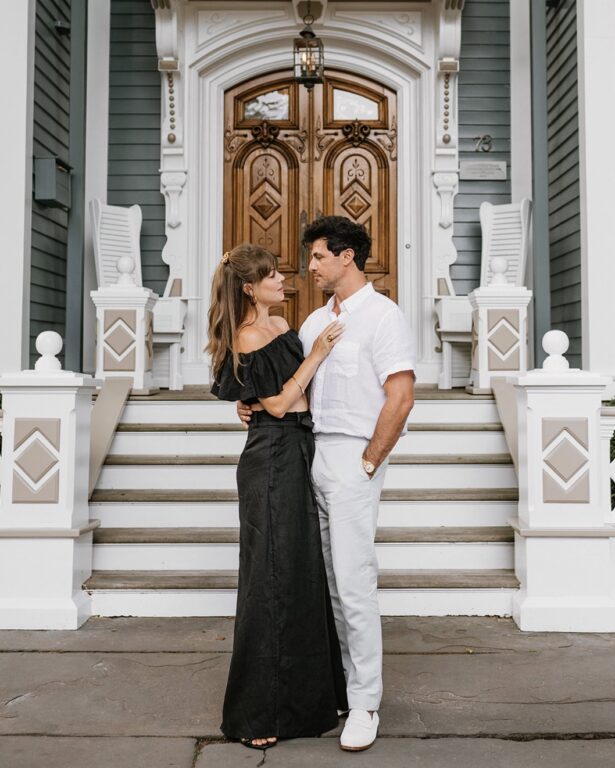
Me and Freddie together. Jewelry. Storytelling. What I expected to be a slow reentry into January quickly shifted into something more immersive. Production was scheduled for the second week of January, and suddenly our days were filled with preparation. That work, the unseen layers that make a campaign feel effortless once it is complete, felt worth exploring here and sharing with each of you.
The Creative Process, Step by Step:
Once a scope of work is agreed upon between the client and myself, and all logistics are confirmed, the creative process begins. This phase is structured, intentional, and deeply considered. While creativity often looks instinctual from the outside, in practice it follows a clear sequence. Each step builds on the one before it, creating clarity, efficiency, and ultimately stronger work.
Over time, this has become the structure I trust for every project, big or small.
Step 1, The Brief
The process begins with a creative brief. This is a multi page document provided by the brand or agency that outlines the assignment in detail. It includes the objective of the campaign, key messaging, references, deliverables, usage requirements, and any non negotiables. Before anything is created, this document is studied closely by myself and by Freddie. The goal at this stage is understanding. What is the brand asking for, and what is the message we’re being hired to share.
My advice: If something in the brief feels unclear, flag it early. Asking questions at this stage is part of being professional, not inexperienced. There are no stupid questions and brands and clients appreciate when you’re thoughtful.
Step 2, Defining the Story
Before visuals are discussed, the narrative is clarified. What story are we telling? Where does it begin? How does it unfold? What emotional tone needs to be established? This step determines whether a moment should feel intimate, aspirational, quiet, or celebratory. Without this clarity, the work will feel disjointed no matter how beautiful it looks.
My advice: When in doubt, simplify. One clear story will always be more compelling than several competing ideas. If you’re like me, lean into refining.
Step 3, Moodboard and Concept Development
Once the story is defined, I move into visual exploration. This is where moodboarding comes in. I love using Milanote for all moodboarding and concept development. This is where I collect visual references, color palettes, textures, lighting inspiration, framing ideas, and emotional cues. The platform allows me to see everything at glance and also share that with the client so they can understand how my ideas relate to one another. These boards are not about copying references. They are about identifying visual references. What feeling keeps repeating, what visual language feels aligned.


My moodboard for this project
My advice: Create separate sections on your board for mood, color, composition, and framing. If something does not clearly support the story, it does not belong. Editing at this stage is just as important as gathering.
Step 4 , Shot Planning
With the concept established, structure comes next. A shot plan is created to map how the narrative will visually unfold. This includes the opening hook, the sequence of moments, and the closing beat. From there, a detailed shot list is written. This list becomes the backbone of the shoot day. It ensures nothing essential is missed and that the client receives exactly what they are paying for.
My advice: Organize your shot list by priority. What must be captured versus what would be nice to have. This allows flexibility on shoot day without sacrificing deliverables.
Step 5, Script and Copy Development
With the visual structure in place, written elements are developed. This is one of my favorite parts. The script is written, captions crafted written with clear direction rather than as a messy afterthought. Story frames are treated differently from reels and are written specifically for their format. All written and visual elements live together in a single working document. This ensures continuity and allows the narrative to feel cohesive across platforms.
My advice: There will almost always be client feedback, even at this stage, and that is part of the job. Learning to check your ego here matters. You are being hired, and they are the client, which means flexibility is not optional, it is professional. That said, you are not hired to disappear. You are hired to bring your tone, taste, and point of view into the work, while ensuring it aligns with the brand’s voice. The balance comes in knowing where to bend, where to refine, and where to protect the core idea. This step is less about approval and more about maturity, understanding that the strongest work is shaped through collaboration, not control.
Step 6, Styling as Storytelling
Styling is approached as a narrative tool, not a decorative one. For this shoot, that meant thirteen approved looks each for Freddie and myself. The brand requested two specific colors, cream and navy blue, which guided all wardrobe decisions. Styling required photographing and coordinating each look in advance, ensuring cohesion between us and continuity across scenes. This step is both creative and logistical, and it plays a major role in how polished the final result feels.
My advice: Treat wardrobe like casting. Every piece should answer the question, why this look for this moment.
Step 7, Production
Only once all of the above steps are completed does production begin. By the time the shoot day arrived last Tuesday, decisions were already made. The clarity established earlier allows the day itself to move efficiently and creatively, with room for spontaneity rather than stress. To be supported by a full team, each person bringing their own focus and expertise, was both grounding and expansive. There was an ease to the day. A shared sense of intention. The kind of collaboration that reminds you why creative work feels so meaningful when it is done with trust.
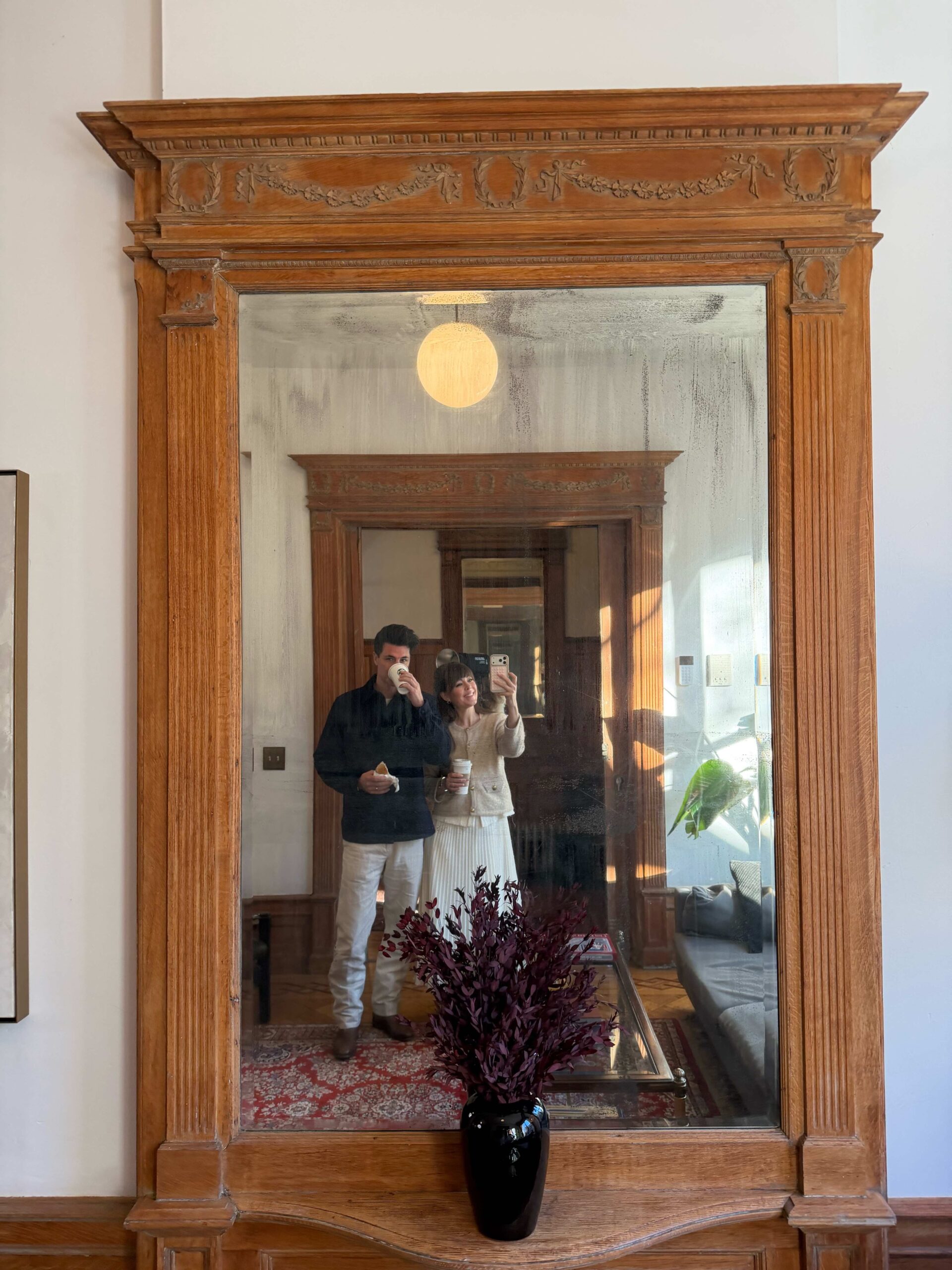
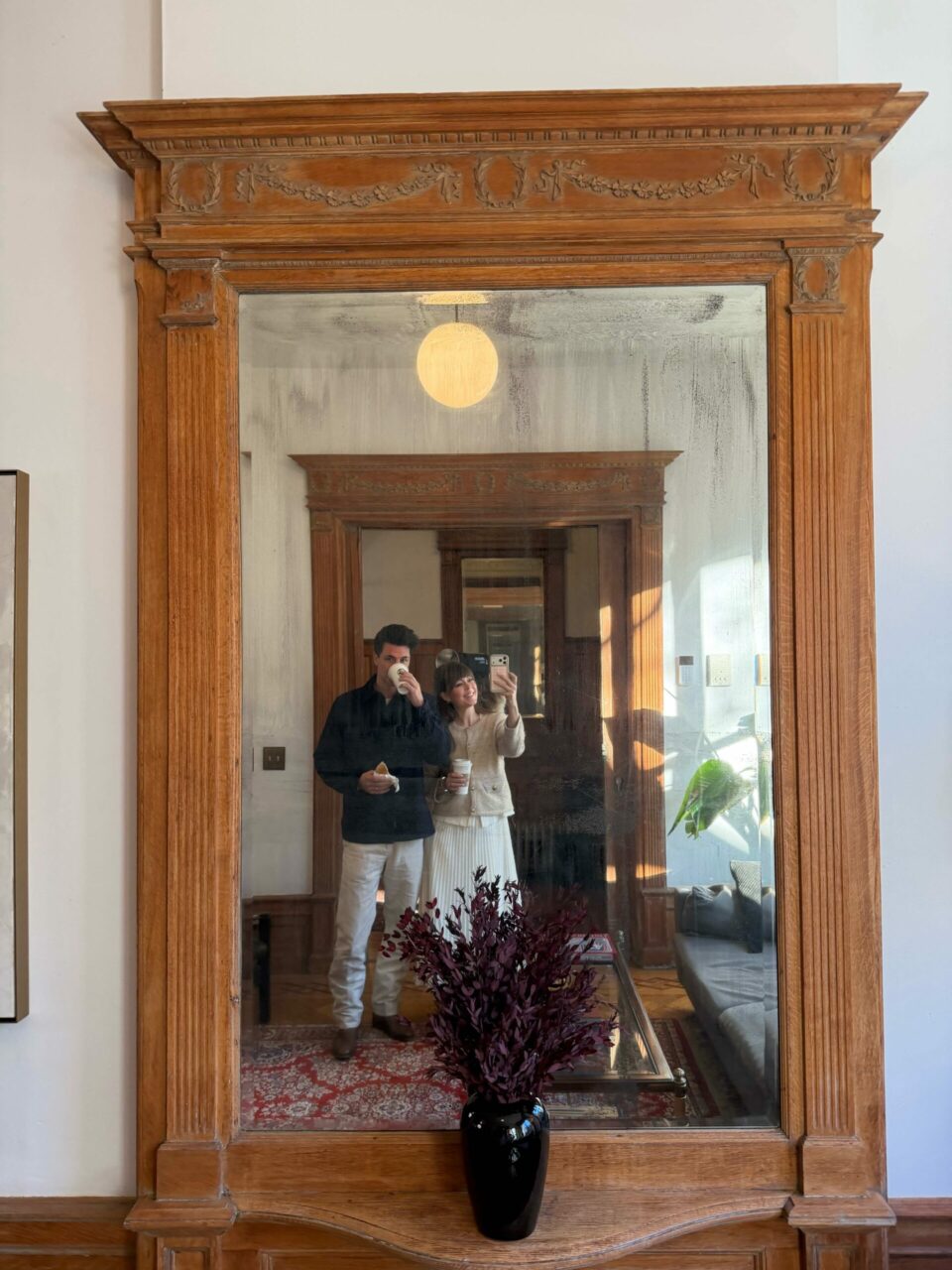
Before Valentine’s Day, you will see the finished result. But for now, it felt enough to sit with the experience of it, to notice how much goes into something that eventually appears simple. And a few behind the scenes images to give you insight into the day of.
And in the midst of all of this, I am planning a dinner of my own. 40 feels close now. I am less interested in marking it loudly than I am in marking it well. One table. People I love. A moment held.
Perhaps this is the throughline in all of it. Learning when to speak and when to stay quiet. When to share and when to let something remain just for yourself a little longer.
I would love to know what has resonated with you so far. What you want more of. What feels worth unpacking slowly together.
Thank you for being here. For reading and listening.